Traveling Europe on a budget is not about cutting corners or missing out. It is about knowing where your money actually matters and where it does not.
Europe has a reputation for being expensive, but that reputation usually comes from poor planning, bad timing, or following the typical tourist path. With the right approach, Europe can be surprisingly affordable, even for first time visitors. From choosing the right countries to travel through to booking flights, accommodation, and transport the smart way, small decisions can make a big difference to your overall cost.
If you are wondering how to travel to Europe on a budget or how to plan a Europe trip on a budget that still feels enjoyable, this guide will walk you through exactly how to do it. Keep reading and you will see that an affordable Europe trip is far more realistic than you might think.
What does “Europe on a budget” really mean?
Traveling Europe on a budget does not mean spending as little as possible. It means spending with intention and understanding what actually drives costs.
A budget Europe trip looks different depending on how you travel. For some people, it means choosing cheaper countries and moving slowly. For others, it means traveling in the shoulder season, staying in simple accommodation, and being selective about paid attractions. There is no single budget that fits everyone, but there is always a smarter way to plan.
The biggest costs in Europe are usually accommodation, transport between cities, and the number of destinations you try to fit into one trip. Food and activities are often more flexible and easier to control. Once you understand this, planning a trip to Europe on a budget becomes much simpler.
It is also important to be realistic. A budget trip does not mean luxury hotels or constant dining out in expensive cities, but it also does not mean giving up comfort entirely. Many travelers are surprised by how affordable Europe can be when they avoid peak season, choose lesser known destinations, and travel at a slower pace.
At its core, traveling Europe on a budget is about making informed choices before you go.
How to plan a trip to Europe on a budget
Planning is where most of your budget is won or lost. Before booking anything, you need a clear idea of how long you have, where you want to go, and how you want to travel. Trying to see too much in one trip is one of the fastest ways to overspend.
Start by choosing a small number of destinations that make sense geographically. Moving between countries and cities costs money, even on budget airlines or trains. Slower travel usually means lower costs and a better experience. Fewer destinations also make it easier to find affordable accommodation and plan realistic daily budgets.
Next, think about timing. Traveling outside of peak summer months can dramatically reduce prices for flights, accommodation, and attractions. Shoulder season often offers the best balance of good weather and lower costs, making it ideal if you want to travel Europe on a budget without feeling restricted.
Your travel style also matters. Decide early where you are willing to spend and where you want to save. You might choose private accommodation but cook some meals, or stay in simpler places so you can spend more on experiences. Having this clarity makes planning a Europe trip on a budget far less stressful.
Finally, build flexibility into your plan. Fixed dates, packed itineraries, and last minute changes usually lead to higher costs. A flexible route, open travel days, and a clear budget range give you more options and help you avoid expensive mistakes.
When you approach planning this way, traveling Europe on a budget becomes less about sacrifice and more about smart choices that work for you.

Best time to travel Europe on a budget
When you travel can have a bigger impact on your budget than almost any other decision. If you are flexible with dates, it becomes much easier to travel Europe on a budget.
The most expensive time to visit Europe is during peak summer, especially July and August. Flights are higher, accommodation books out quickly, and popular cities are crowded. Traveling during this period almost always means paying more for less.
The best time to plan a Europe trip on a budget is during the shoulder seasons, typically spring and autumn. Prices are lower, cities are easier to enjoy, and you still get good weather in many parts of Europe. This is often the sweet spot for budget conscious travelers who want value without compromise.
Winter can also be a great option for budget travel, particularly in Central and Eastern Europe. Flights and accommodation are often much cheaper, and many cities still offer plenty to see and do. The trade off is shorter days and colder weather, which is worth considering depending on your travel style.
If your goal is to travel Europe on a budget, avoid planning your trip around school holidays, major festivals, or large events unless they are your main reason for going. Aligning your travel dates with quieter periods is one of the simplest and most effective ways to reduce overall costs.
Timing has a huge impact on costs. If you want a deeper breakdown of weather, crowds, and prices by season, read the best time to visit Europe before locking in your travel dates.
Budget-friendly destinations in Europe
Where you go in Europe matters just as much as when you go. Some countries are simply more affordable than others, and choosing the right destinations makes traveling Europe on a budget far easier.
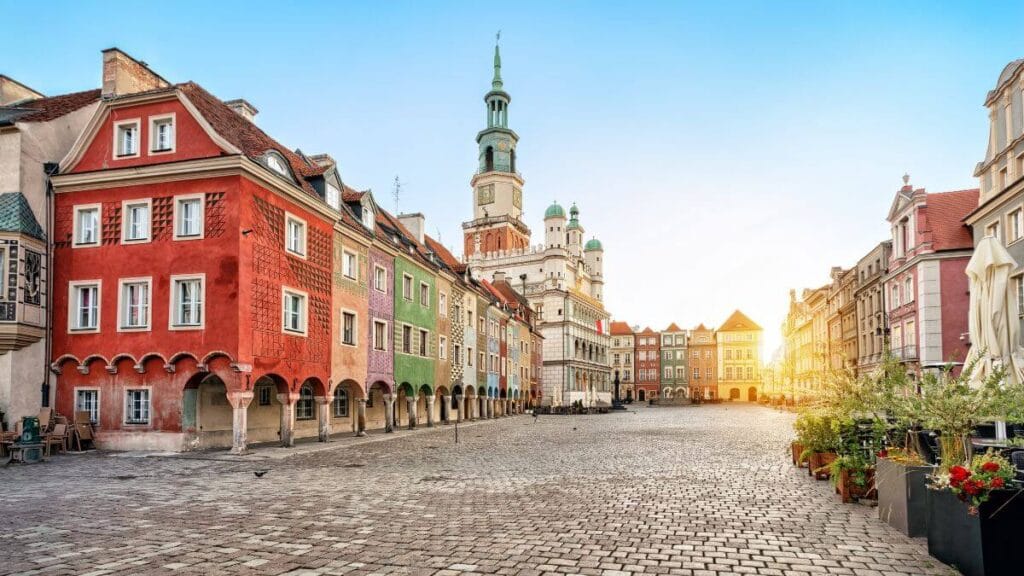
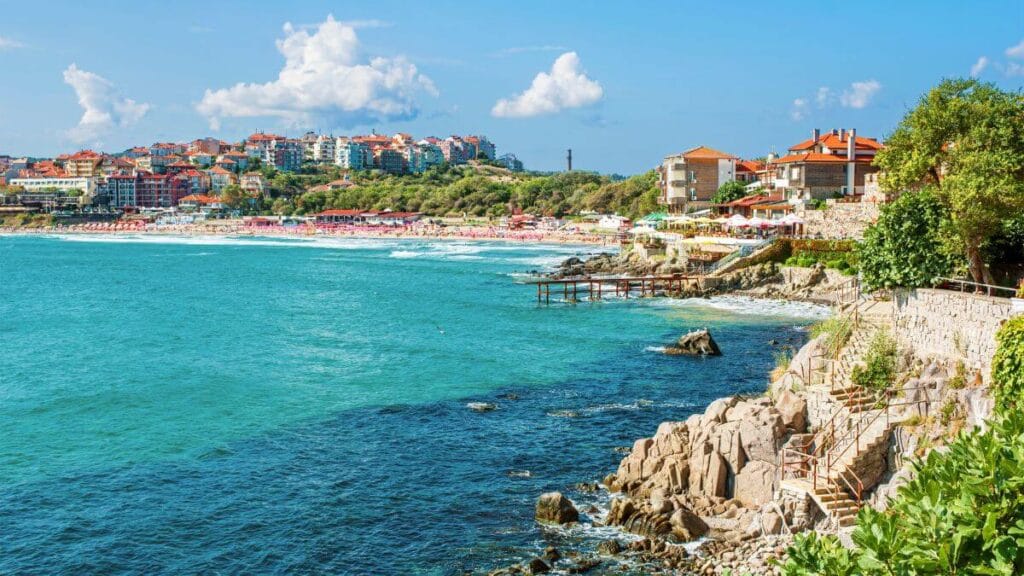
Eastern and parts of Central Europe are generally the most budget friendly. Countries like Poland, Hungary, Romania, Bulgaria, and parts of the Balkans offer lower accommodation costs, affordable transport, and great value food. These destinations allow you to travel comfortably while spending less each day.
That does not mean Western Europe is off limits. Cities like Paris, Rome, and Amsterdam can still work on a budget if you plan carefully. Staying outside the city center, traveling in the shoulder season, and limiting how often you move between cities can significantly reduce costs.
Another smart approach is mixing destinations. Pairing a more expensive city with cheaper countries or smaller towns helps balance your overall budget. This is often more effective than trying to cut costs everywhere at once.
If your goal is to plan a Europe trip on a budget, focus less on checking off famous places and more on choosing destinations that match your budget and travel pace. Europe rewards travelers who look beyond the obvious.
Getting around Europe on a budget
Transport between cities is one of the biggest expenses when traveling Europe on a budget, so choosing the right option for each journey is important. The cheapest option is not always the best one, especially if it adds stress or forces you to rush your trip.
Buses
Buses are often the most affordable way to travel around Europe. They cover most major routes, are easy to book, and usually cost far less than trains. For travelers who are flexible with time, buses are one of the easiest ways to keep transport costs low.
The downside is longer travel times, which can be tiring if you are moving frequently. Buses work best when you are traveling longer distances and do not mind slower journeys.
Trains
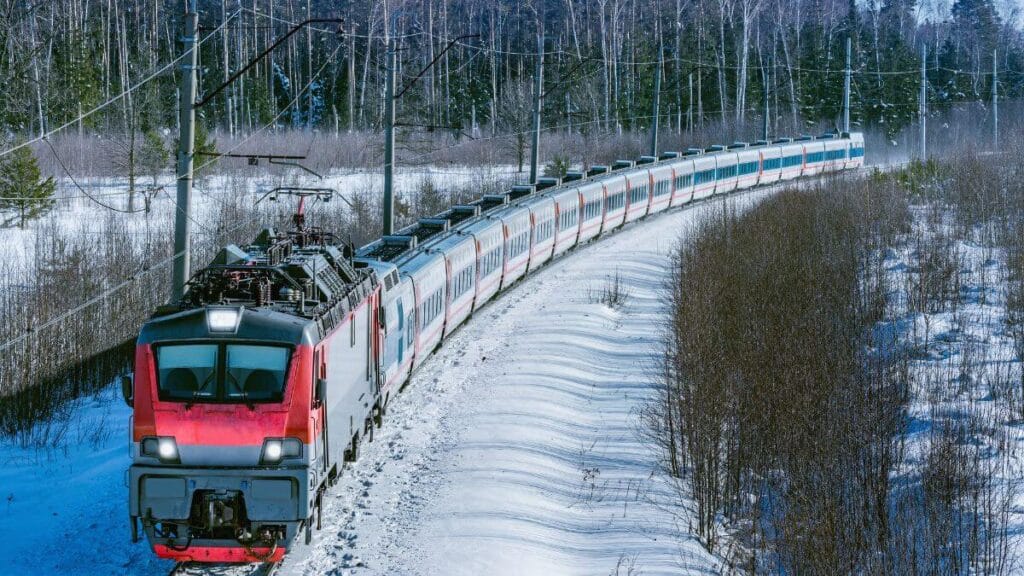
Trains are one of the most enjoyable ways to travel through Europe, but they can become expensive without planning. Booking in advance usually offers the best prices, especially on high speed routes.
A rail pass can make sense if you are visiting many destinations in a short period, but for slower trips with fewer stops, individual tickets are often cheaper. When planning a trip to Europe on a budget, it is worth comparing train prices before committing to a pass.
Budget Airlines
Budget airlines can be useful for covering long distances or routes where trains and buses are impractical. Base fares are often low, but extra costs for luggage, seat selection, and airport transfers can quickly add up.
These flights are best used selectively. When flying, always factor in the cost of getting to and from the airport, as many budget airports are far from city centers.
Local Transport
Within cities, public transport is usually affordable and efficient. Many cities offer day passes or multi day tickets that reduce costs if you plan to use transport frequently.
Walking is often the best option, especially in historic European cities where attractions are close together. It is also one of the easiest ways to save money while exploring.
Route Planning
One of the simplest ways to travel Europe on a budget is to plan a logical route. Avoid unnecessary backtracking and limit the number of travel days. Fewer moves usually mean lower costs, less stress, and more time to enjoy each destination.
Affordable accommodation options in Europe
Accommodation is often the largest daily expense when traveling Europe on a budget, but there are plenty of ways to stay comfortably without overspending. The key is choosing the type of lodging that fits your style and budget.
Hostels and budget Hotels
Hostels are the classic budget choice, offering dorms or private rooms at a fraction of hotel prices. Many modern hostels also provide kitchens, common areas, and social events, making them great for meeting other travelers.
Budget hotels are another option, especially if you prefer more privacy. Booking outside the city center or in smaller towns can save a lot while still keeping you close to main attractions.
Apartments and guesthouses
Renting an apartment or staying in a guesthouse can be surprisingly affordable, especially for longer stays or if you are traveling with others. Having a kitchen lets you cook some of your meals, which reduces daily food costs and gives more flexibility.
Alternative options
Consider alternative options like Airbnb, homestays, or small pensions, which often provide better value than traditional hotels. Some travelers also use house-sitting or couch-surfing platforms to save even more, though these options require planning and flexibility.
Where to splurge and where to save
Not all nights need to be ultra-budget. Splurging occasionally on a well-located hotel or unique accommodation can enhance your experience without blowing your budget. The goal is to balance comfort with cost by prioritizing what matters most to you.
By choosing accommodations wisely and planning ahead, you can travel Europe on a budget without sacrificing comfort or convenience.
How to eat well in Europe on a budget
Food is one of the easiest areas to save money while traveling Europe on a budget without missing out on the experience. With a few strategies, you can enjoy local cuisine and still keep your costs low.
Shop at supermarkets and local markets
Supermarkets and local markets are your best friends for budget meals. Buying fresh bread, cheese, fruit, and ready-made meals can replace expensive breakfasts or lunches at cafés. Markets also give you a taste of local flavors without the high restaurant prices.
Eat at bakeries and street food stalls
Bakeries, street food stalls, and food trucks often offer delicious and inexpensive meals. From pastries and sandwiches in France to currywurst in Germany, these options are filling, cheap, and part of the local culture.
Choose local over tourist restaurants
Restaurants near main attractions are usually more expensive. Walk a few streets away to find local eateries where the prices are lower and the food is often more authentic. Lunch menus are often cheaper than dinner, so timing your meals wisely can help you save.
Cook your own meals
If your accommodation has a kitchen, cooking some of your meals is an easy way to cut costs. Even preparing one meal a day can reduce your daily spending significantly while giving you more flexibility in your budget.
Balance splurges and savings
You do not need to avoid restaurants entirely. Planning one or two special meals allows you to enjoy the culinary side of Europe without breaking the budget. Balancing inexpensive meals with occasional splurges makes traveling Europe on a budget both realistic and enjoyable.
Free and cheap things to do in Europe
Experiencing Europe does not have to be expensive. Many of the best attractions and experiences are free or very affordable, making it easy to travel Europe on a budget without missing out.
Take free walking tours
Many cities offer free walking tours led by local guides. These tours give you a great overview of the city, its history, and hidden spots. You can tip what you feel the tour was worth, keeping it budget friendly.
Visit museums and attractions with free entry days
Some museums and attractions have free entry days or discounted hours. Planning your itinerary around these times can save a lot, especially in cities with high entrance fees.
Explore parks and nature
Europe is full of beautiful parks, gardens, and natural sites that are free to visit. From the English Gardens in Munich to the banks of the Danube in Budapest, nature offers endless low cost entertainment.
Enjoy viewpoints and landmarks
Many iconic landmarks can be admired without paying to go inside. Walking along city streets, climbing hills, or visiting public squares often provides the same stunning views for free.
Use city passes selectively
City passes can offer discounts on attractions, transport, and tours. They only make sense if you plan to visit multiple paid sites, so calculate carefully before buying. Even one or two discounted tickets can make a pass worthwhile on a budget trip.
Daily budget breakdown for Europe
Knowing how much you are likely to spend each day makes it much easier to plan a Europe trip on a budget. Costs vary by country, city, and travel style, but you can use the following breakdown as a realistic guide.
| Travel style | Estimated daily cost | Accommodation | Food | Transport | Activities | Example countries |
| Shoestring budget | €40–€60 | Hostel dorm | Supermarkets, street food | Bus, walking | Free attractions, walking tours | Poland, Romania, Bulgaria |
| Budget traveler | €80–€120 | Budget hotel, private room | Mix of groceries and local restaurants | Train or budget bus | Museums, tours, occasional paid attractions | Hungary, Portugal, Czech Republic |
| Comfort-on-a-budget | €150–€200 | Mid-range hotel or apartment | Restaurants for most meals | Trains, occasional flights | Paid attractions, experiences | Italy, Spain, France |
Common mistakes that make Europe more expensive
Even with a budget plan, certain habits and decisions can quickly increase costs when traveling Europe on a budget. Being aware of these mistakes helps you avoid overspending and enjoy your trip more.
Overpacking and carrying extra luggage
Bringing too much luggage leads to higher flight fees, more expensive trains, and unnecessary stress. Packing light allows you to travel more flexibly and often cheaper, especially with budget airlines that charge for checked bags.
Changing countries too often
Trying to see too many countries in one trip increases transport costs and leaves less time to enjoy each place. Fewer moves usually mean lower costs, less travel fatigue, and a better overall experience.
Ignoring local costs
Every country has its own cost structure. Failing to research prices for food, transport, and attractions can result in surprises. Knowing what to expect helps you budget realistically and avoid overspending.
Relying on taxis or private transport
Using taxis or ride-hailing apps frequently adds up fast. Public transport, walking, or renting a bike is almost always cheaper, especially in European cities where public systems are efficient.
Skipping advance planning
Last-minute bookings for accommodation, trains, or attractions often cost more. Planning ahead lets you take advantage of discounts, early bird rates, and flexible travel options that save both money and stress.
By avoiding these common mistakes, you can make your budget stretch further and travel Europe on a budget more comfortably and effectively.
Final tips for traveling Europe on a budget
Traveling Europe on a budget is less about sacrifice and more about planning smart and making intentional choices. A few simple habits can make your trip both affordable and enjoyable.
Plan ahead but stay flexible
Booking flights, accommodation, and key activities in advance usually saves money, but leaving some flexibility in your itinerary allows you to take advantage of unexpected deals and local tips.
Prioritize what matters most
Decide early where you are willing to spend and where you want to save. Skipping small luxuries like expensive coffee or souvenirs can fund experiences that matter more, such as museums, guided tours, or local events.
Use technology to your advantage
Flight alerts, price comparison websites, and travel apps can help you find the best deals on transport, accommodation, and activities. A little research goes a long way when planning a Europe trip on a budget.
Mix expensive and inexpensive days
Not every day needs to be ultra-budget. Pairing a splurge meal, paid attraction, or city tour with lower-cost activities balances your spending and keeps the trip enjoyable.
Adopt a budget mindset
Traveling on a budget is as much about mindset as numbers. Enjoy free experiences, savor local food, and focus on the value of your experiences rather than the cost.
With these tips, traveling Europe on a budget becomes achievable, practical, and even enjoyable. Smart choices, planning, and a flexible approach allow you to explore the continent without overspending while still making unforgettable memories.
FAQs about Europe on a budget
How much money do I need to travel Europe on a budget?
The amount depends on your travel style, destinations, and length of stay. On a shoestring budget, you can get by on €40–€60 per day by staying in hostels, using public transport, and eating simple meals. A slightly more comfortable budget traveler might spend €80–€120 per day, allowing for private rooms, occasional restaurant meals, and paid attractions. Planning your itinerary carefully and avoiding peak season can stretch your budget even further.
What is the cheapest country to visit in Europe?
Eastern Europe is generally the most affordable for budget travelers. Countries like Poland, Hungary, Romania, Bulgaria, and Albania offer low accommodation and food costs while still providing rich cultural experiences. Smaller towns in these countries are often much cheaper than capital cities, so traveling beyond main tourist hubs can save you even more.
What is the most affordable way to see Europe?
The most budget-friendly approach combines slow travel, smart accommodation, and efficient transport. Use buses or trains for city-to-city travel, stay in hostels, guesthouses, or apartments, cook some meals, and prioritize free or low-cost attractions. Avoiding frequent flights and backtracking between cities also keeps costs down, allowing you to stretch your budget without missing out on experiences.
Is $100 a day enough for Europe?
Yes, $100 per day can be enough for many parts of Europe, especially if you focus on budget-friendly countries or travel outside peak season. With careful planning, this amount can cover a private room in a budget hotel or hostel, meals, transport, and some activities. In Western Europe or popular tourist cities like Paris, Amsterdam, or London, $100 per day will require stricter planning but is still possible.
What is the cheapest month to fly to Europe?
The cheapest months to fly are generally late autumn (October–November) and late winter (January–February). Flights are lower because these months are outside peak tourist season, and accommodation prices are also lower. Traveling during the shoulder seasons of spring (March–May) or early autumn (September) can also provide good deals while avoiding the worst crowds.
How far in advance should you book airfare to Europe?
For the best deals, it is usually wise to book flights 2–5 months in advance for European destinations. Budget airlines and flight alerts can help you spot sales, but booking too early or too late can result in higher prices. Being flexible with dates and departure airports often saves more money than booking a specific flight months ahead.