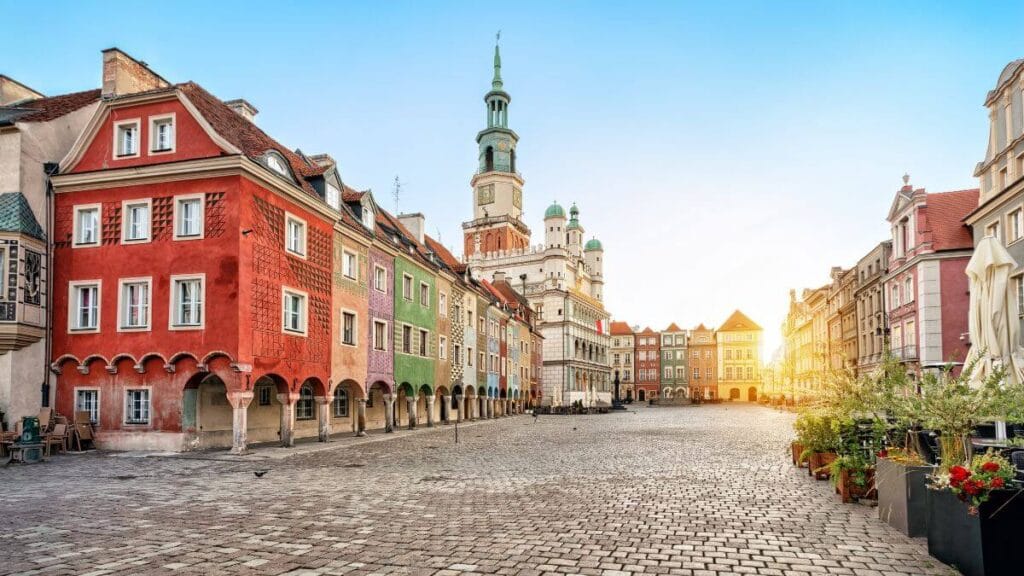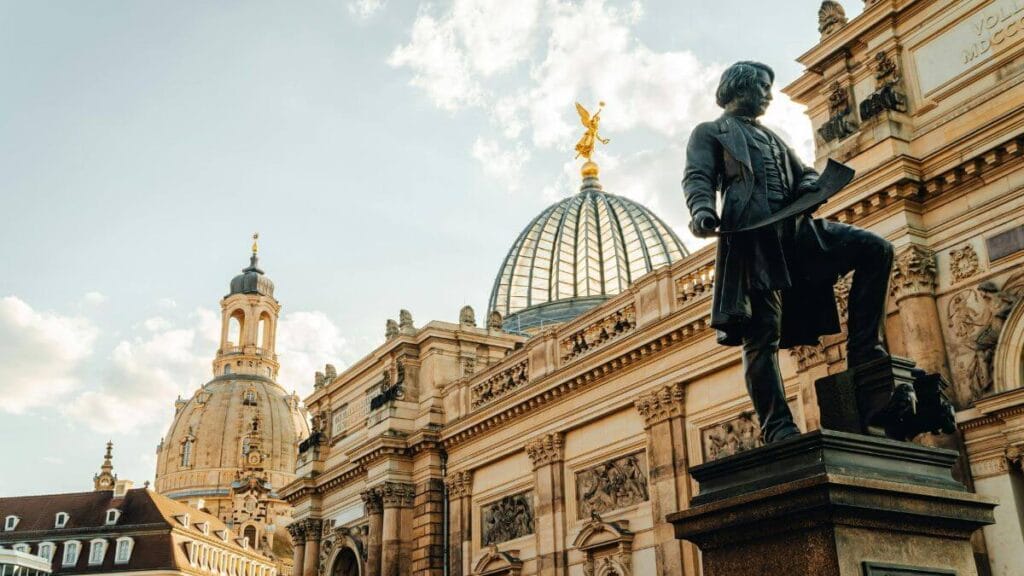
In general, the best time to visit Europe is during the shoulder season. In most European countries, this falls between mid-April and mid-June, as well as the month of September. During these periods, you’ll often find lower prices, fewer crowds, and pleasant weather that’s ideal for sightseeing and exploring.
Well, that’s the short answer anyway.
The longer answer is a little more complicated. Europe is an incredibly big continent, and there isn’t one single “best” time to visit that works for every traveler, every destination, or every type of trip.
The truth is, there are many best times to travel to Europe, and finding the right one for you depends largely on where you’re going and what you want to do. A beach holiday in Greece looks very different from a Christmas market trip to Germany or a spring city break in Paris.
Europe’s travel seasons at a glance
Europe has four main travel seasons, and each one offers a very different experience depending on the time of year and where you’re travelling. Weather, prices, and crowd levels can change significantly from season to season, especially between Northern and Southern Europe.
In general, spring and autumn are considered shoulder seasons, offering a balance of comfortable weather, manageable crowds, and better value. Summer is the peak season, with the warmest temperatures and the highest prices, while winter is the quietest time to visit, aside from Christmas markets and ski destinations.
Best time to visit Europe by season
Spring in Europe (March – May)
Spring is one of the most pleasant times to visit Europe, especially from April onwards. As winter fades, cities begin to wake up, flowers bloom across parks and countryside, and temperatures slowly climb without reaching summer extremes. This makes spring ideal for walking-heavy itineraries, sightseeing, and city breaks.
The weather can be a little unpredictable, particularly in March and early April, with cooler mornings and occasional rain showers. However, the trade-off is fewer crowds and more affordable prices compared to the peak summer months. By May, many destinations enjoy warm days and lively outdoor cafés, without the intense heat or congestion of summer.
Overall, spring in Europe strikes a great balance between comfort, atmosphere, and value, making it one of the best seasons for first-time visitors.
Summer in Europe (June – August)
Summer is Europe’s busiest and hottest season. The sun is out, festivals are in full swing, and beaches across the Mediterranean are packed with travellers soaking up the warmth. In popular summer destinations like Spain, Italy, Greece, and southern France, temperatures can regularly exceed 35°C (95°F), so heatwaves and sunburns are something to prepare for.
One major advantage of summer is the long daylight hours, with sunsets as late as 10pm in some parts of Europe. This allows you to fit in more sightseeing, outdoor activities, and relaxed late-night dinners. The atmosphere is lively and energetic, with street performers, open-air events, and buzzing nightlife.
While summer comes with higher prices and larger crowds, it offers a perfect blend of relaxation and adventure, making it ideal for beach holidays, island hopping, and travellers who thrive on a vibrant, non-stop travel experience.
Autumn in Europe (September – November)
Autumn is often considered the sweet spot for travelling Europe, particularly in September and early October. The intense summer heat fades, crowds thin out, and prices begin to drop, all while the weather remains comfortable for exploring.
This season is especially popular for food and wine travel, with harvest festivals, wine regions coming alive, and colourful landscapes across countryside destinations. Cities feel calmer and more enjoyable, making it easier to visit major attractions without long queues.
By November, temperatures cool significantly and daylight hours shorten, especially in Northern Europe. Even so, autumn remains one of the best times to experience Europe at a slower pace, with a more local feel and fewer tourists.
Winter in Europe (December – February)
Winter is Europe’s quietest travel season, aside from Christmas market cities and ski resorts. Cold temperatures and shorter days dominate much of the continent, but winter travel comes with some unique advantages, including lower prices, fewer crowds, and seasonal experiences you won’t find at other times of year.
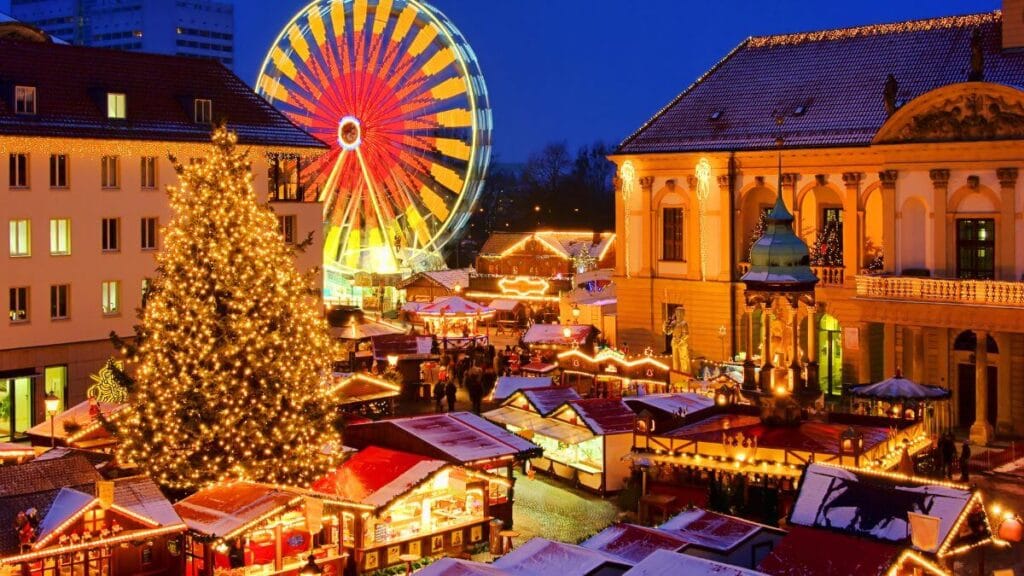
December brings magical Christmas markets, festive lights, and cosy city breaks, while January and February are ideal for budget-conscious travellers or those heading to the Alps and other mountain regions for skiing. In Southern Europe, winter temperatures are milder, making it a good time for relaxed city exploration without the summer crowds.
Although some attractions operate on reduced hours, winter in Europe offers a quieter, more atmospheric way to experience the continent, especially if you enjoy festive charm, snow-covered scenery, or crowd-free travel.
Best time to visit Europe by month
While Europe’s travel seasons give a broad overview, breaking things down by month can make planning much easier, especially if your travel dates are already somewhat fixed. Prices, weather, and crowd levels can vary significantly throughout the year, even within the same season.
Here is a table breaking down by month when to go to Europe for good prices, weather, and crowds:
| Months | Prices | Weather | Crowds |
| Jan, Feb, March* | Low | Cold (cool in Mediterranean) | Few |
| April, May | Moderate | Comfortable (often rainy & not quite beach weather) | Moderate |
| June, July, August | Very High | Warm to very hot | Very high |
| September, October | Moderate | Cool (bring a jacket) | Moderate |
| November, December* | Moderate | Cold (cool in Mediterranean) | Few |
Best time to visit Europe based on your travel style
The best time to visit Europe isn’t just about weather or prices, it also depends on how you like to travel.
Best time for sightseeing & city breaks
The best time for sightseeing in Europe is during the shoulder seasons, particularly April to June and September to early October. During these months, temperatures are comfortable for walking, public transport is less crowded, and major attractions are easier to enjoy without long queues.
Spring and autumn are ideal for cities like Paris, Rome, Amsterdam, and Prague, where cooler weather makes exploring on foot far more enjoyable than during the peak summer heat.
Best time for budget travel
For budget conscious travellers, the cheapest time to visit Europe is typically between January and March, excluding ski destinations and major holiday periods. Flights and accommodation prices are often at their lowest, and many cities feel noticeably quieter.
Late autumn (November) can also offer good value, especially for city breaks in Southern Europe, where temperatures remain mild and tourist numbers drop significantly.
Best time for beaches & islands
If your dream Europe trip involves beach days and island hopping, the best time to go is between June and early September. Mediterranean destinations such as Greece, Spain, Italy, Croatia, and Portugal enjoy warm sea temperatures and long, sunny days during this period.
For fewer crowds and slightly lower prices, June and September are often better choices than July and August, while still offering excellent beach weather.
Best time for festivals & events
Europe’s festival season peaks in summer, when everything from music festivals to cultural events takes place across the continent. Long daylight hours and warm evenings create the perfect atmosphere for outdoor celebrations.
Winter also brings its own iconic events, including Christmas markets, festive lights, and seasonal celebrations throughout Central and Northern Europe.
Best time for winter sports
The best time for skiing and winter sports in Europe is from December to March, depending on snowfall and altitude. The Alps, Dolomites, Pyrenees, and Scandinavian regions offer excellent conditions for skiing, snowboarding, and other winter activities.
January and February tend to offer the most reliable snow conditions, while December is popular for festive alpine trips.

When is the worst time to visit Europe?
There isn’t a single “worst” time to visit Europe, but there are certain periods that can be less enjoyable depending on your expectations, budget, and tolerance for crowds.
For many travellers, July and August can be the most challenging months to visit Europe, particularly in major cities. Popular destinations like Paris, Rome, Barcelona, and Amsterdam experience extreme crowds, high prices, and intense heat, with temperatures in Southern Europe often soaring above 35°C (95°F). Sightseeing can feel exhausting, and long queues at major attractions are common.
Another tricky time to travel is during peak holiday periods, including Easter, Christmas, and school holidays. While these times can be festive and lively, they often come with higher accommodation costs, limited availability, and overcrowded transport, especially in popular tourist hotspots.
Winter can also feel like a “worst” time for travellers expecting warm weather or outdoor activities. From January to February, cold temperatures, short daylight hours, and occasional attraction closures can limit what you’re able to do, particularly in Northern and Central Europe. That said, winter can still be a great option for budget travel, skiing, or festive experiences if you plan accordingly.
Ultimately, the worst time to visit Europe is when your travel goals don’t match the season. Choosing the right time based on what you want to see and do makes all the difference.
Best places to visit in Spring in Europe
Paris, France
Paris truly comes alive in spring, when parks and gardens begin to bloom and café terraces fill with locals enjoying the sunshine. Strolling along the Seine, exploring neighborhoods like Montmartre or Le Marais, and relaxing in the Jardin du Luxembourg feels far more enjoyable without peak summer crowds. Spring also offers a calmer, more romantic atmosphere, making it an ideal time for first-time visitors.
Amsterdam, Netherlands
Spring is the most famous time to visit Amsterdam thanks to tulip season, which typically runs from late March through April. The surrounding countryside bursts into color, while the city itself feels fresh and vibrant. Mild temperatures make cycling and canal walks especially pleasant, and crowds are noticeably lighter than during the summer months.
Rome, Italy
Rome is far more comfortable to explore in spring than in the height of summer. Cooler temperatures make it easier to walk between major landmarks like the Colosseum, Roman Forum, and Vatican City without feeling overwhelmed by heat. Spring also brings lively piazzas and a relaxed pace that allows you to truly soak up the city’s history and atmosphere.
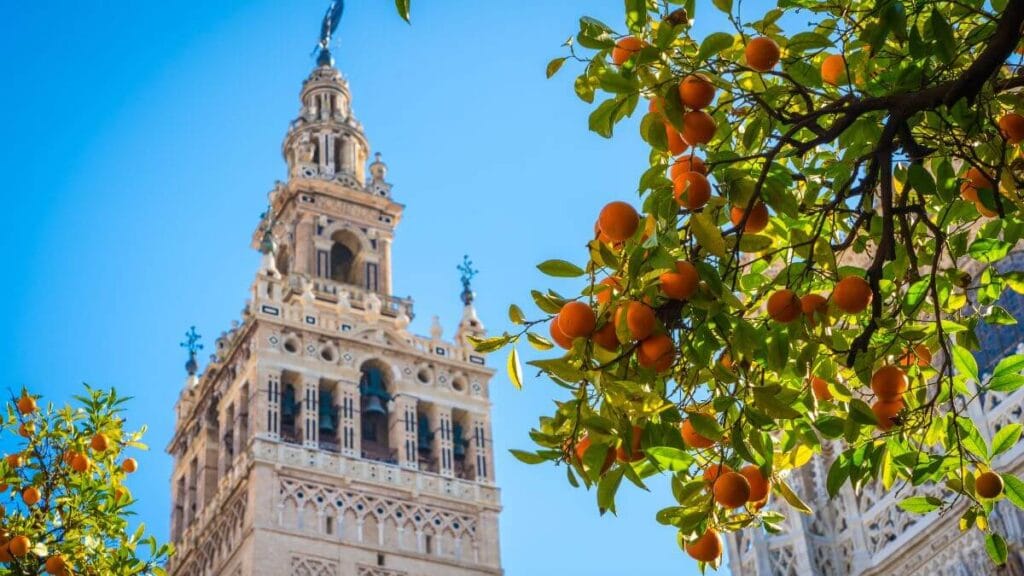
Seville, Spain
Spring is the best time to visit Seville, offering warm but manageable temperatures before the intense summer heat arrives. The city hosts some of its most vibrant festivals during this season, including Feria de Abril, when streets fill with music, flamenco, and color. Orange trees in bloom add to the city’s charm, making spring a perfect time to experience Andalusian culture.
Best places to visit in Summer in Europe
Greek Islands
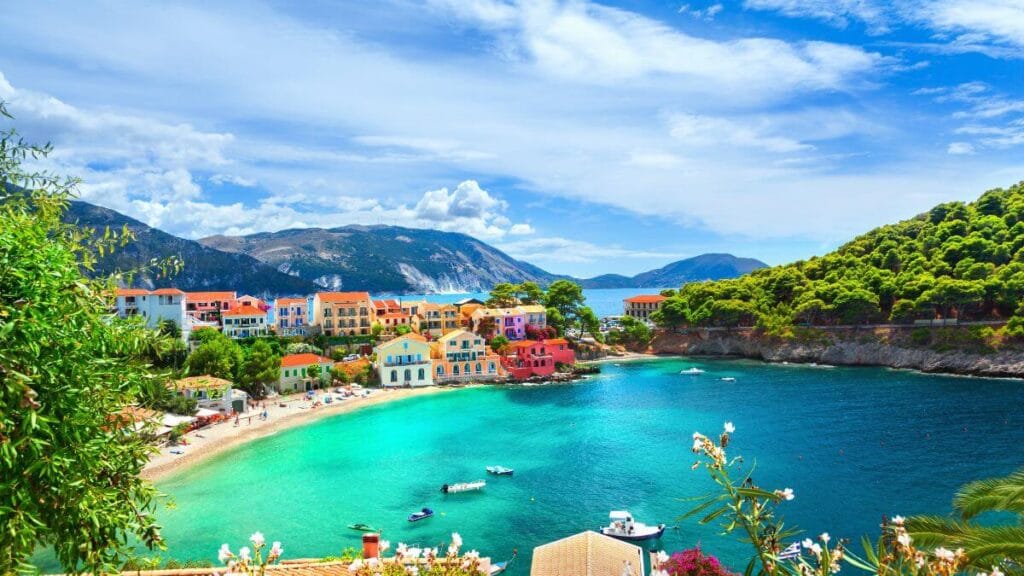
The Greek Islands are at their best in summer, with crystal-clear waters, endless sunshine, and long days that stretch well into the evening. Whether you choose popular islands like Santorini and Mykonos or quieter options such as Naxos and Paros, summer is ideal for swimming, boat trips, and seaside dining. The vibrant atmosphere, combined with warm sea temperatures, makes island hopping especially appealing during this season.
Amalfi Coast, Italy
Summer brings the Amalfi Coast to life, with dramatic coastal scenery, colourful cliffside towns, and sparkling Mediterranean waters. Boat trips between Positano, Amalfi, and Capri are a highlight, while warm evenings are perfect for alfresco dinners overlooking the sea. Although it’s a busy time of year, the stunning views and classic Italian summer atmosphere make it worth the crowds.
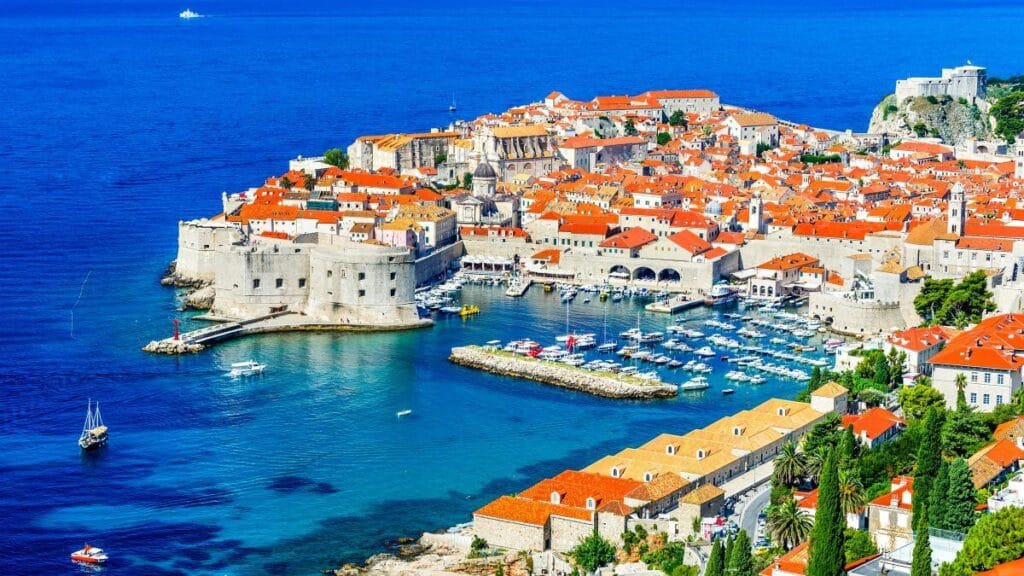
Dalmatian Coast, Croatia
Croatia’s Dalmatian Coast is a summer favourite thanks to its beautiful beaches, historic seaside towns, and excellent island-hopping opportunities. Cities like Split and Dubrovnik combine culture with easy access to the sea, while nearby islands offer a more relaxed pace. Warm weather and calm waters make summer the best time for sailing, swimming, and exploring coastal villages.
Southern France
Southern France shines in summer, offering a blend of glamorous beaches, lively markets, and picturesque countryside. From the French Riviera’s coastal towns to Provence’s lavender fields in bloom, summer showcases the region at its most vibrant. Long, sunny days make it ideal for combining beach time with inland exploration.
Best places to visit in Winter in Europe
Vienna, Austria
Vienna is one of Europe’s most enchanting winter destinations, known for its elegant Christmas markets, festive lights, and classical music culture. From late November through December, the city feels magical, with markets set against grand palaces and historic squares. Winter is also a wonderful time to enjoy Vienna’s cafés, museums, and concert halls without the crowds of summer.
Prague, Czech Republic
Prague looks like something out of a fairytale in winter, especially when its medieval streets and gothic architecture are dusted with snow. The city’s Christmas markets add warmth and charm, while quieter streets make it easier to explore landmarks like Charles Bridge and Prague Castle. Winter offers a more atmospheric and less crowded way to experience the city.
Lapland, Finland
For a truly unique winter experience, Lapland is unmatched. Known for its snowy landscapes, reindeer encounters, and chances to see the Northern Lights, it’s a dream destination for winter travelers. From dog sledding to staying in glass igloos, Lapland offers unforgettable cold-weather adventures during the darkest and most magical months of the year.
Swiss Alps
The Swiss Alps are synonymous with winter, offering world-class skiing, snowboarding, and picturesque alpine villages. Snow-covered peaks, cosy chalets, and scenic train journeys create a classic winter escape. Whether you’re hitting the slopes or simply enjoying the mountain scenery, winter is the best time to experience the Alps at their finest.

Best places to visit in Autumn in Europe
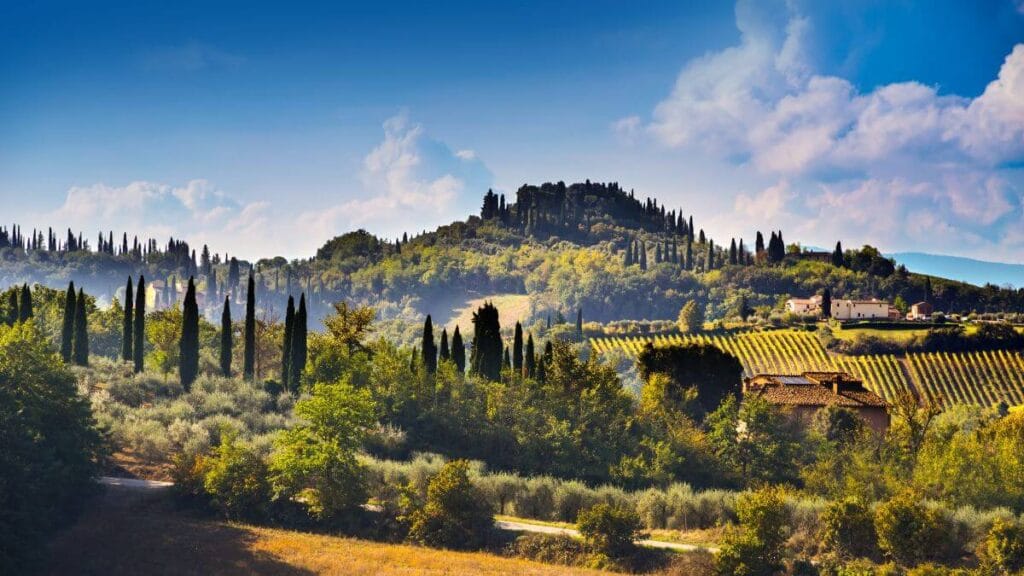
Tuscany, Italy
Autumn is one of the most beautiful times to visit Tuscany, as rolling hills turn golden and vineyards prepare for harvest season. This is peak time for food and wine lovers, with truffle festivals, wine tastings, and seasonal cuisine taking center stage. Cooler temperatures make it ideal for exploring medieval towns like Siena and San Gimignano without summer crowds.
Spain (Andalusia & cities)
Autumn brings welcome relief from the summer heat across much of Spain, especially in Andalusia and major cities like Madrid and Barcelona. Sightseeing becomes far more comfortable, and the atmosphere feels more local as tourist numbers drop. It’s an excellent time to enjoy cultural attractions, outdoor dining, and vibrant neighborhood life.
Bavaria, Germany
Bavaria is particularly scenic in autumn, with colourful foliage and crisp air creating the perfect backdrop for exploring alpine villages and historic towns. The season also brings traditional festivals, including Oktoberfest in Munich, where beer halls, music, and local traditions take centre stage. Autumn weather is ideal for hiking and scenic drives through the region.
Portugal
Portugal remains warm well into autumn, making it a fantastic choice for travelers looking to extend their summer. Coastal areas still enjoy sunny days, while cities like Lisbon and Porto feel noticeably quieter. With fewer crowds and excellent value, autumn is perfect for combining sightseeing, food experiences, and relaxed coastal escapes.
Best time to travel to Europe FAQs
What is the cheapest month to visit Europe?
Generally, January, February, and March offer the lowest prices for flights and accommodation across most European destinations. Avoid ski resorts and holiday periods like Christmas and Easter, which can still be expensive.
When is the best weather in Europe?
The summer months (June to August) offer the warmest weather, long daylight hours, and sunny days, perfect for beaches, islands, and festivals. For more moderate weather and fewer crowds, spring (April–May) and early autumn (September–October) are ideal.
When should I avoid visiting Europe?
Avoid travelling during peak summer in July and August if you dislike crowds or high prices. Winter can be challenging in Northern and Central Europe due to cold temperatures and short days, unless you’re targeting festive cities or ski destinations.
What is the most expensive time to visit Europe?
July and August are the most expensive months to travel in Europe. These are peak summer months when tourist numbers are highest, hotels and flights cost more, and popular attractions can be crowded.
What is the best month to travel to Europe?
The shoulder seasons (April to June and September), are widely considered the best months to visit Europe. You’ll enjoy pleasant weather, fewer crowds, and more affordable prices compared to the summer peak.
The key to planning a great Europe trip is matching your destination, expectations, and timing. Once you know what kind of experience you’re looking for, choosing the best time to go becomes much simpler.
If you’re ready to start planning and need a little help along the way, take a look at my Europe travel planning services.